
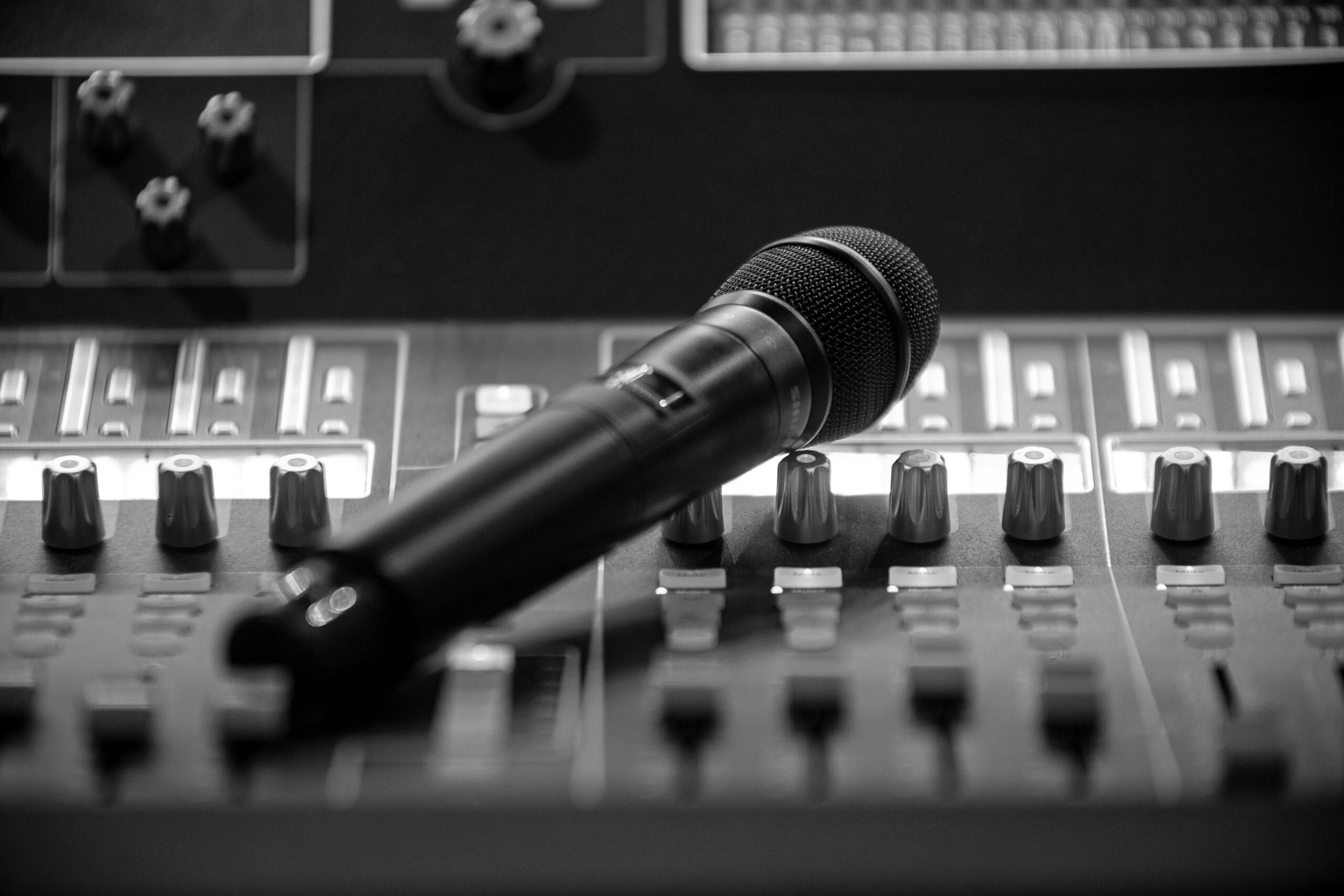
When I first sat behind the soundboard at church, I thought my job was simple: push a few faders, keep the volume balanced, and everything would be fine.
I quickly learned that running sound in a church is so much more—it’s technical, spiritual, and relational all at the same time.
Looking back, here are 10 things I wish someone had told me before I started. Hopefully, these save you a few headaches (and maybe a few Sunday morning panic attacks!).
1. The Sound Booth Is a Ministry, Not Just a Job
When you’re behind the console, you’re not just “running sound.” You’re creating an atmosphere where people can worship and hear God’s Word clearly. Treating the role as ministry first changes how you prepare, how you react under pressure, and how you serve your team.
2. Preparation Beats Panic
I used to show up five minutes before rehearsal and hope for the best. Big mistake.
Prepping ahead of time—checking cables, labeling channels, saving a show file—eliminates 80% of potential disasters. The more you prepare, the less you panic when something inevitably goes wrong.
Suggested Image: A volunteer rolling cables or labeling channels on a soundboard.
3. Feedback Is Usually Human Error
That awful squeal? Nine times out of ten, it isn’t the equipment’s fault. It’s usually mic placement, gain staging, or monitor levels.
Learn the basics of EQ and microphone technique, and you’ll prevent most feedback before it ever happens.
4. The Pastor’s Mic Matters Most
You can have the best band mix in the world, but if nobody can understand the pastor, you’ve failed.
Prioritize speech clarity over everything else. A clear, well-EQ’d voice communicates the message—and that’s why everyone showed up.
Affiliate Opportunity: Recommend your favorite pastor mic or wireless system here.
5. Less Is More With Effects
I thought reverb and delay made everything sound “pro.” However, in a church, excessive processing can make vocals sound muddy and distracting.
Start clean, then add effects sparingly. The best sound is usually natural and transparent.
6. Don’t Fight the Room
Every church building has quirks—echoey walls, low ceilings, or booming bass spots. Instead of forcing your mix to fight the space, learn how your room behaves.
Minor fixes like speaker placement, acoustic panels, or EQ tweaks can go a long way.
7. Your Ears Are Your Greatest Tool
Fancy gear helps, but at the end of the day, your ears tell the truth.
Train yourself to recognize frequencies, balance instruments, and notice when something feels “off.” Apps and analyzers are helpful, but your ears are the ultimate reference.
8. Communication Builds Trust
Half the job is technical; the other half is relational. Musicians will trust you more if you communicate clearly and kindly.
A simple “Hey, your mic is a little low, let’s adjust together” goes way further than silent fader moves that leave them confused.
9. Something Will Always Go Wrong
Dead batteries, broken cables, frozen computers—it’s not a matter of if but when.
The key is staying calm. Keep backups handy, laugh when you can, and remember: most people in the congregation don’t notice the little glitches as much as you do.
Affiliate Opportunity: Link to your favorite rechargeable batteries or emergency backup gear here.
10. Your Attitude Shapes the Team
If you’re frustrated, short-tempered, or hostile, the whole team feels it.
If you’re calm, encouraging, and servant-hearted, that attitude spreads too. Running sound is stressful, but it’s also a privilege. A good attitude makes you a tech person people love serving with.
Final Thought
Running sound at church is a combination of art, science, and service.
It can be overwhelming at times, but it’s also one of the most rewarding ways to serve. The next time you step behind the console, remember—you’re not just mixing audio; you’re helping people encounter God without distraction.
And that’s worth every stressful Sunday morning.
💡 Next Steps for You
- ✅ Free Download: Sunday Morning Sound Prep Checklist – PDF